


In today's age of aggressive digital communication platforms, the global community battles not just with physical confrontations but also with mental war zones, finding itself at the mercy of this new-age war machine. The widespread increase in mental health challenges we see, particularly in America, remains intertwined with our hyper-engagement in these platforms. However, the call to arms—our police as frontline mental health responders—may sometimes amplify the very problems they seek to mitigate.
Contrary to popular belief, COVID lockdowns aren’t solely to blame. If they were, why is it that countries like China, despite prolonged, strict lockdowns, aren't seeing a parallel rise in mental health crises? Our real enemy, it appears, is not a virus but the unbridled internet—a tool we're still trying to understand.
The Battlefield of the Mind
Every swipe, click, and share on these platforms potentially exposes us to a maelstrom of emotions, from joy to rage, empathy to apathy. We live in an age where most adults participate in a ceaseless barrage of mental aggression. It’s not surprising, then, that a wave of mental health crises has washed over us. Yet, there's still collective bewilderment over its origins. When much of our day revolves around platforms emphasizing confrontational mental and emotional interactions, it's logical that individuals, even those traditionally considered mentally robust, might falter.
While many cities scramble to adapt to this escalating challenge, Detroit has taken proactive steps. Bolstering its mental health units, it's evident that even law enforcement recognizes the gravity of the problem. As we navigate these uncharted waters of tech-intensive communication, researchers race against time, trying to quantify and understand the effects of this new normal. Preliminary findings suggest that we might be on the brink of a mental and emotional cataclysm.
Disproportionate Impacts
The weight of these digital wars doesn't bear down evenly. Vulnerable communities, especially communities of color and those in rural areas, are often the hardest hit. Is it not alarming that segments of our society, already grappling with myriad challenges, now have to navigate this new form of digital exploitation?
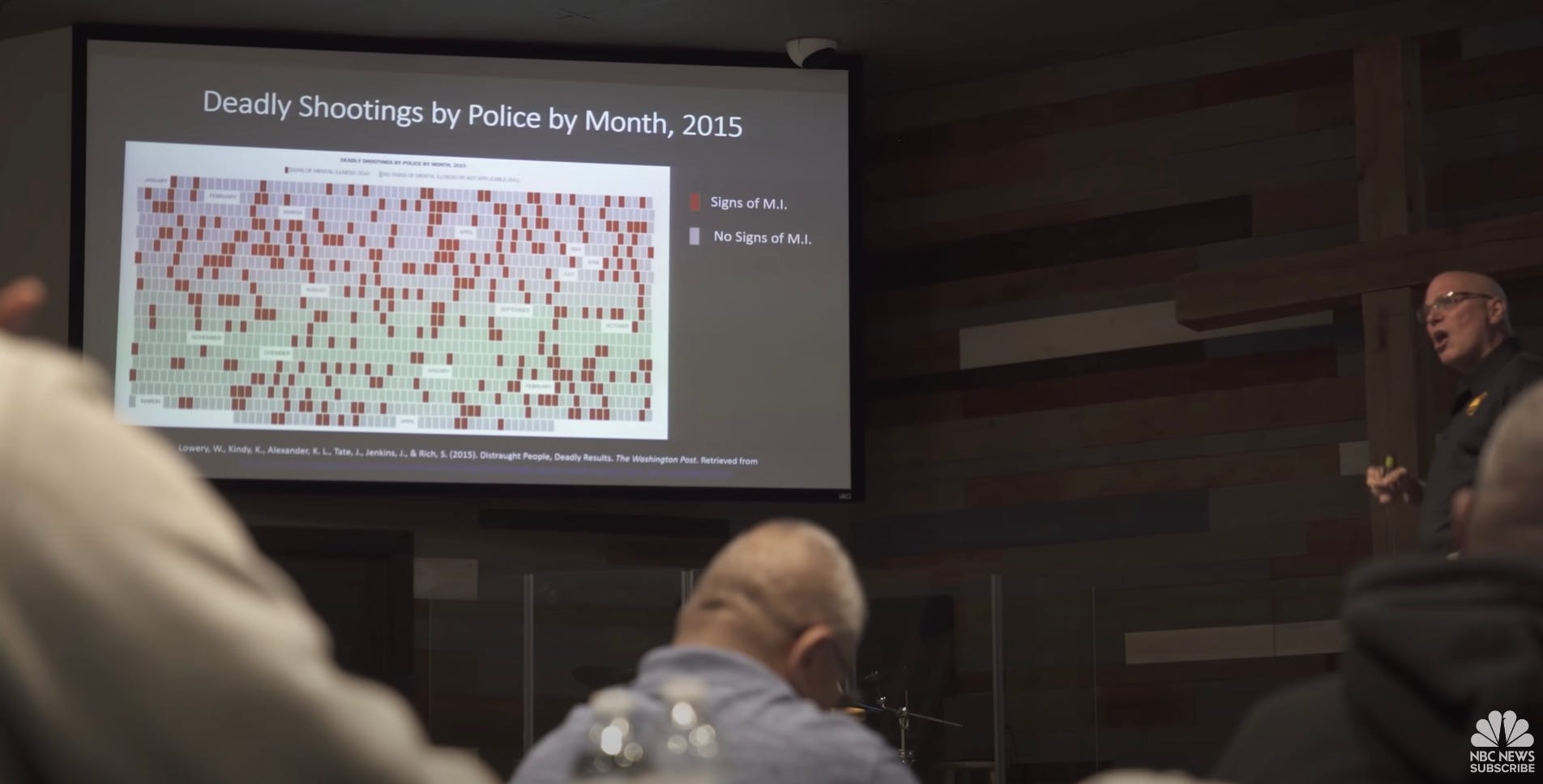
Yet, our societal response has been lackluster, at best. The primary force mobilized to manage this swelling tide of mental health cases has been the police. But can a primarily physical response ever be apt for a primarily mental challenge?
Law Enforcement: The Unwitting Frontliners
Our law enforcement officers, equipped with the tools and training for physical confrontations, are often ill-prepared for the subtleties required in handling mental health crises. Such confrontations frequently escalate, perpetuating the very issues they’re called to resolve.
