


There’s a quiet sleight of hand happening in American politics right now.
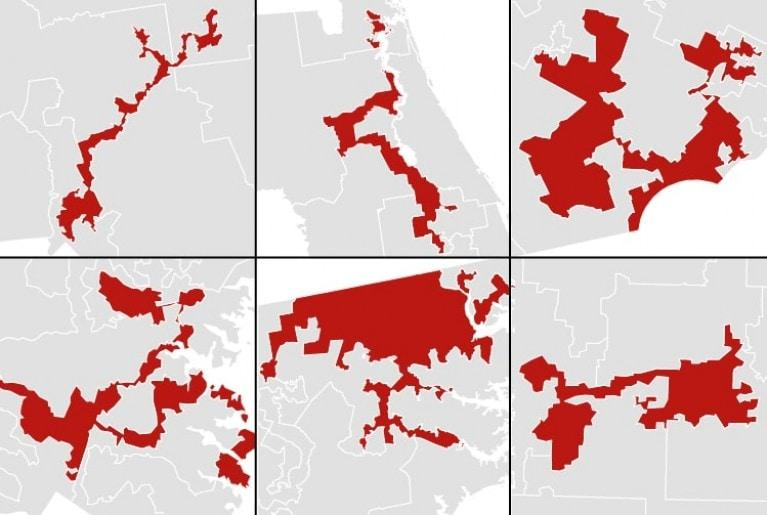
Look at a congressional map—especially one of those districts critics call “snakes”—and the conversation almost always starts at the wrong place. People point to the shape and say: this is manipulation. They see the line before they see the land beneath it.
But what if the line didn’t create the distortion?
What if the distortion was already there—etched into the ground decades earlier—and the map is simply tracing it?
That’s the Offramp.
I. Overtown Before the Cut
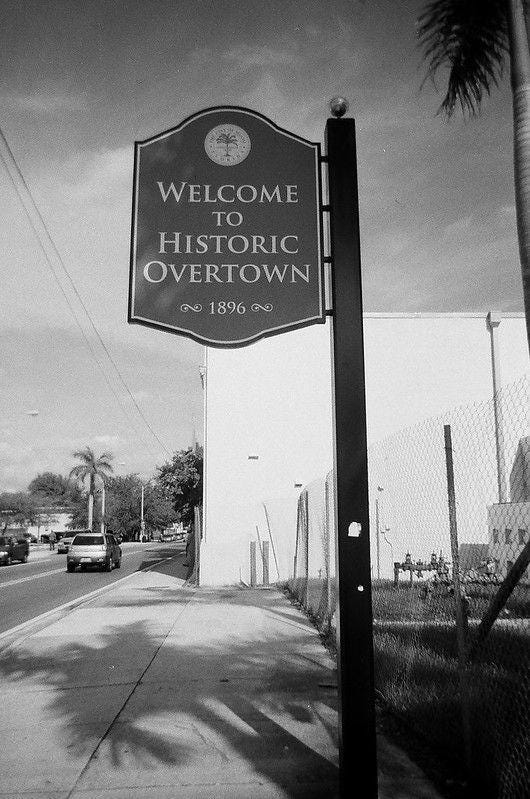
I know Overtown not as an abstraction, but as a place with memory.
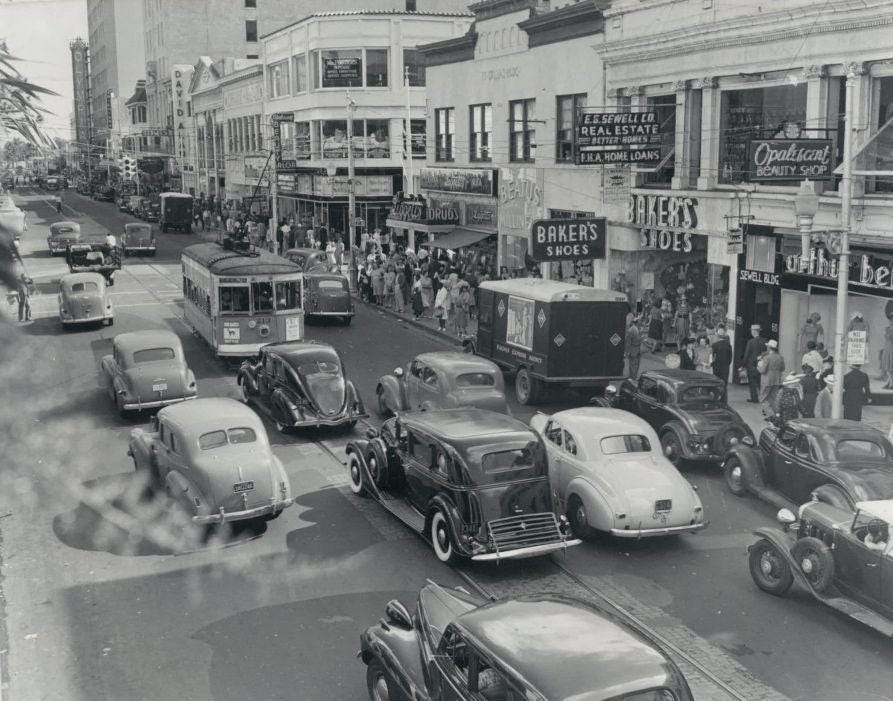
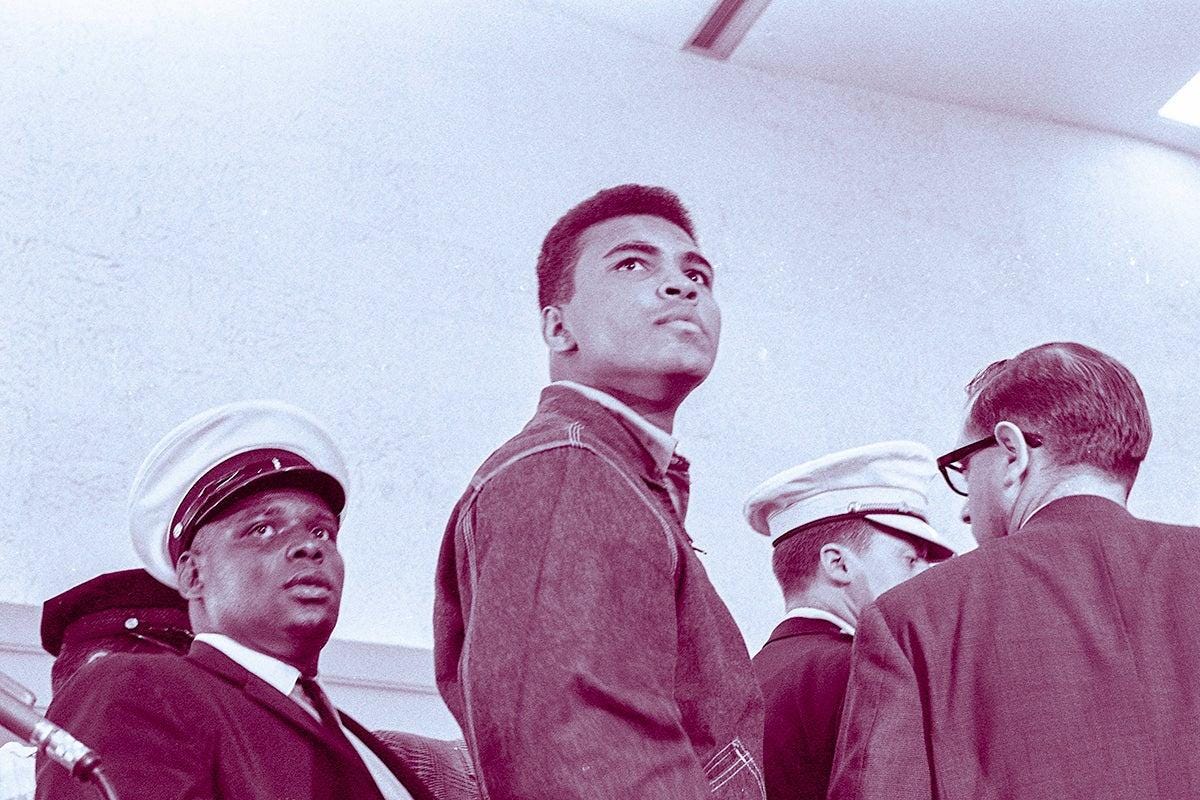
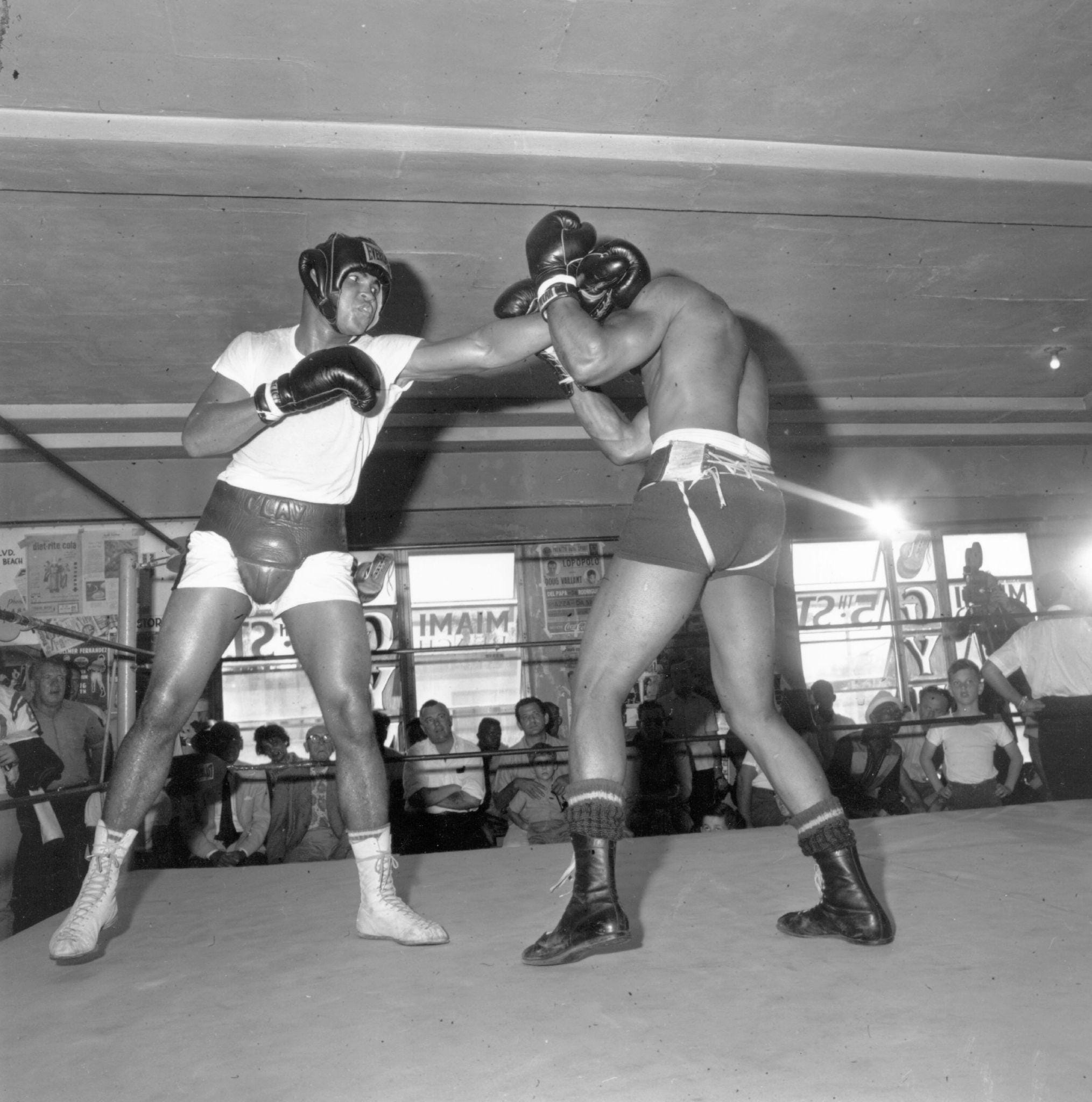
I was married at the church where a young Muhammad Ali prayed and trained while preparing for his fight in Miami Beach. Back then, he was still Cassius Clay, moving through a neighborhood that wasn’t just alive—it was prosperous, structured, and culturally magnetic.
Overtown was called the “Harlem of the South.”
Black doctors. Lawyers. Business owners. Musicians. Hotels filled with the very performers who weren’t allowed to stay on Miami Beach after their shows.
It wasn’t a perfect system. Segregation forced that concentration.
But within those constraints, something powerful formed: density, wealth circulation, and identity rooted in place.
A community shaped like a center—not a scatterplot.
II. Then Came the Blade: Interstate 95
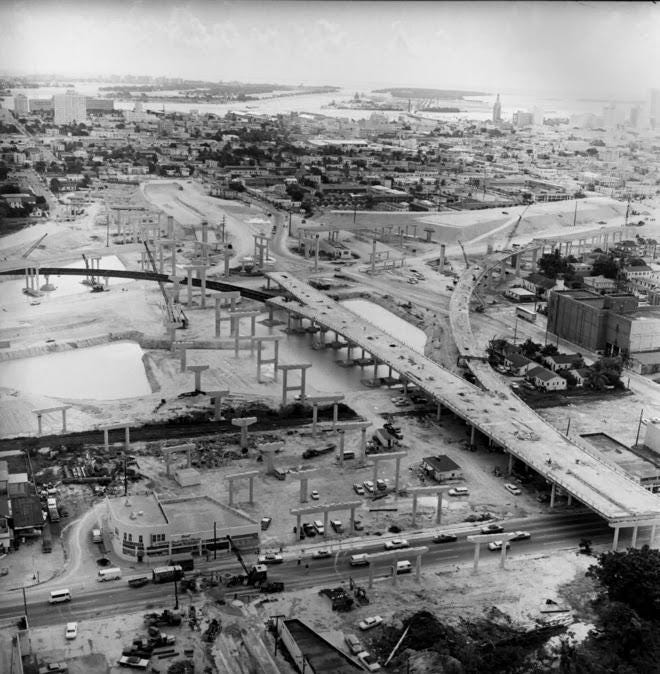
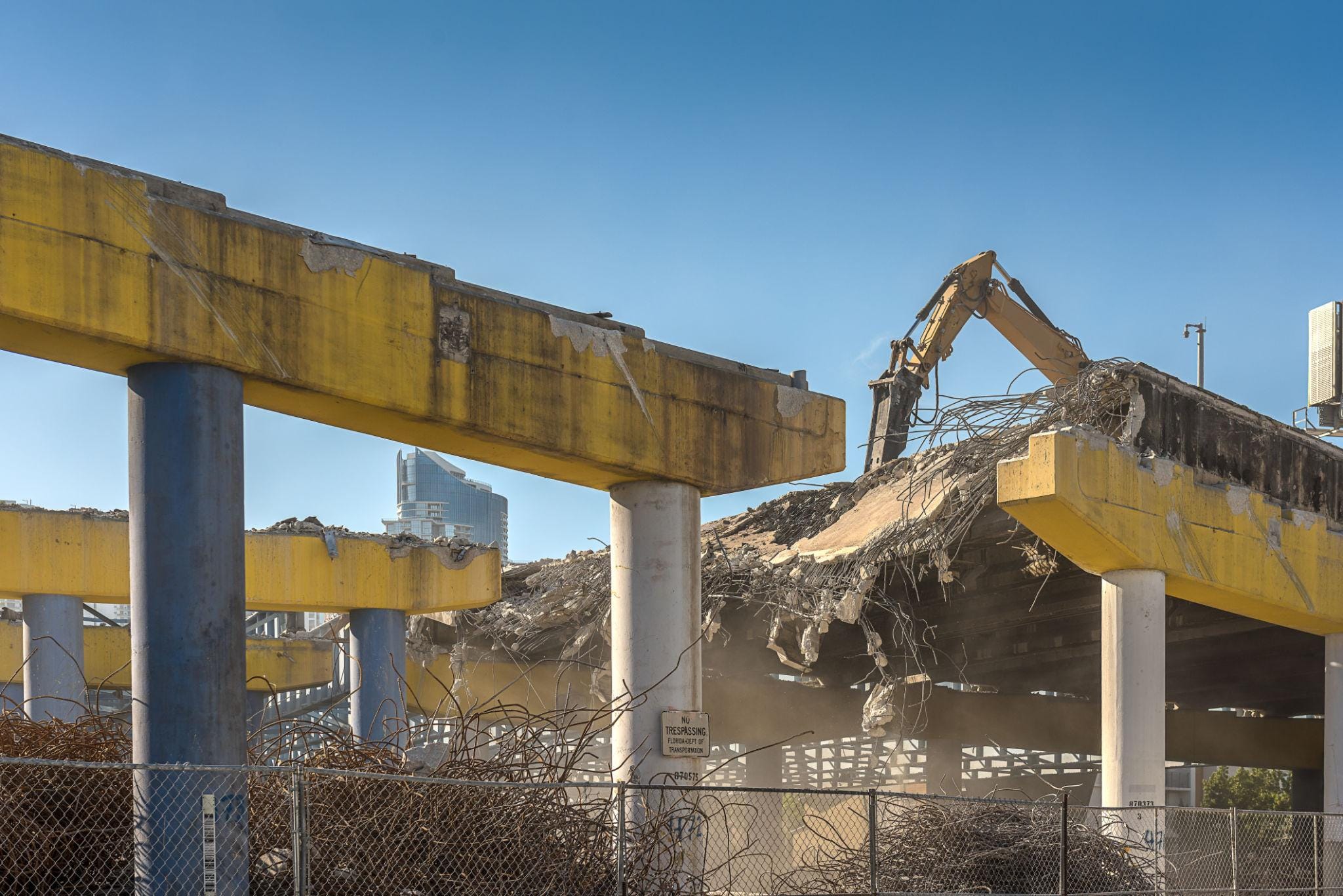
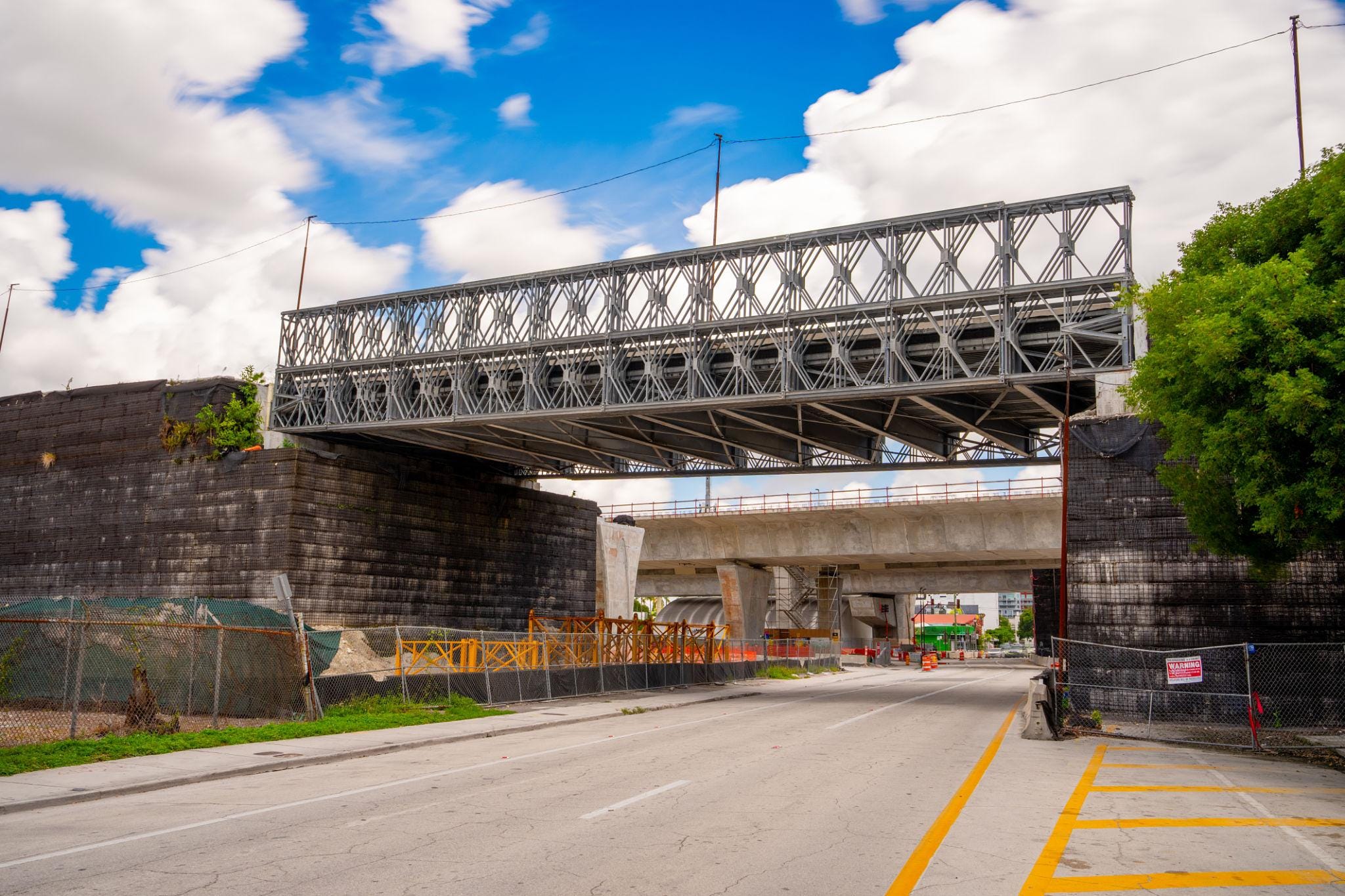
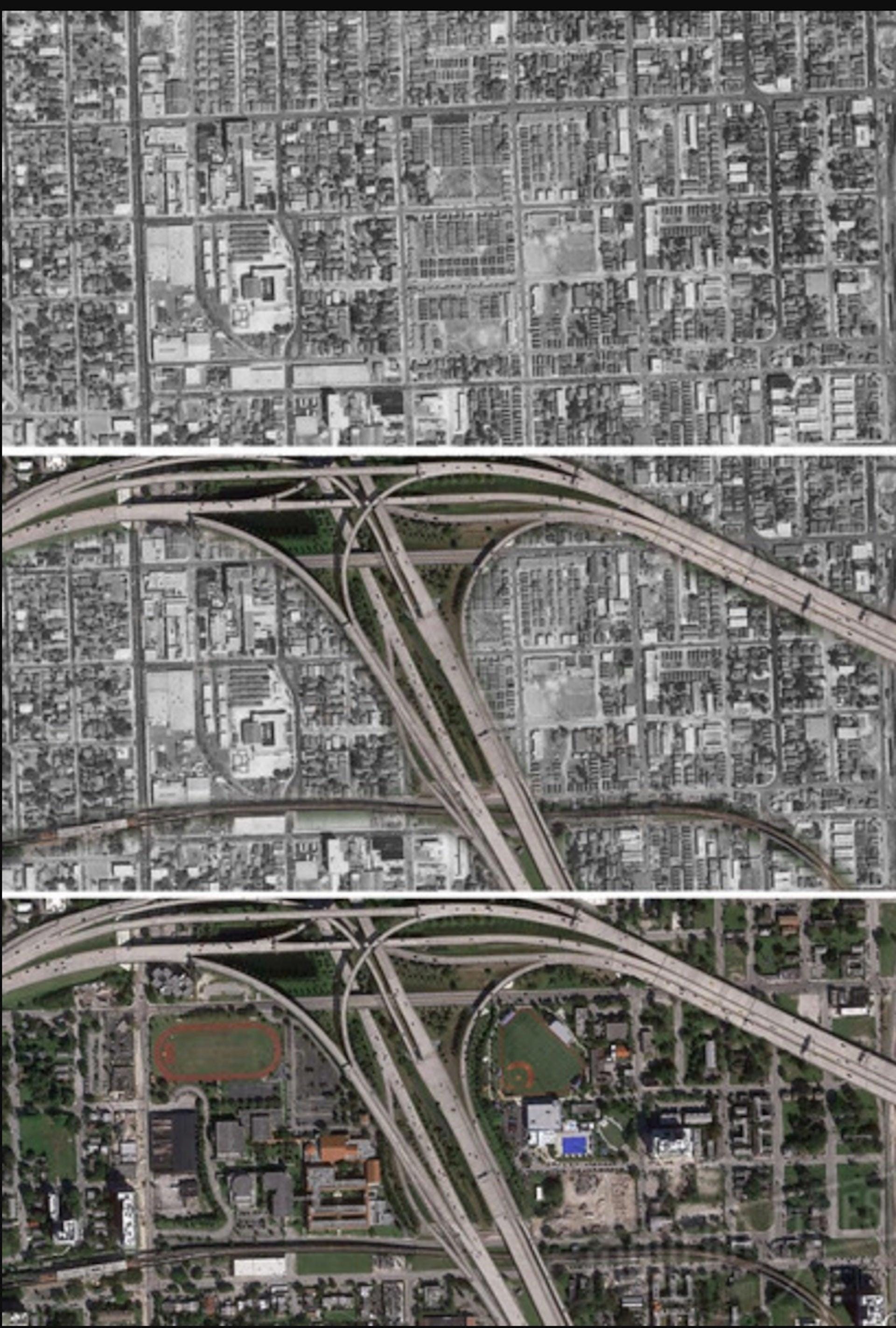
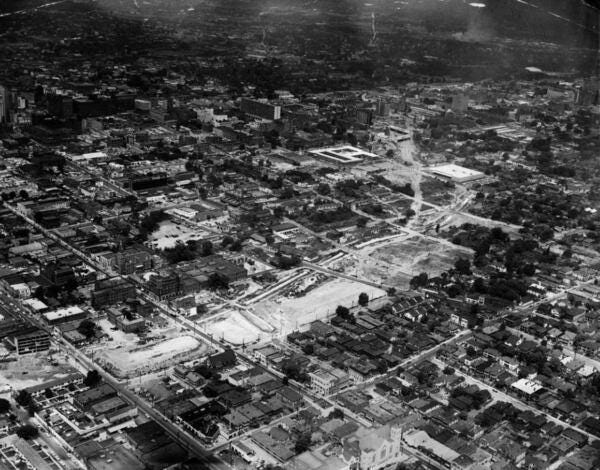
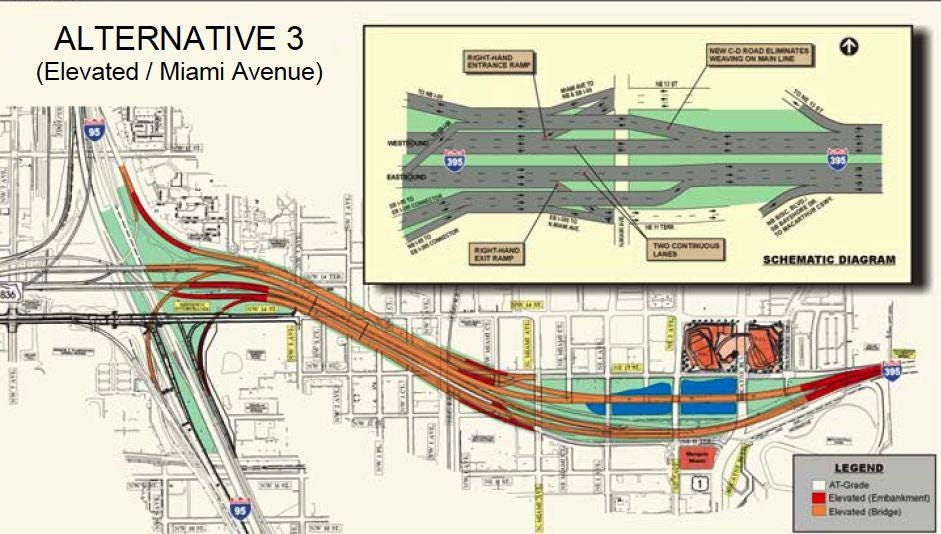
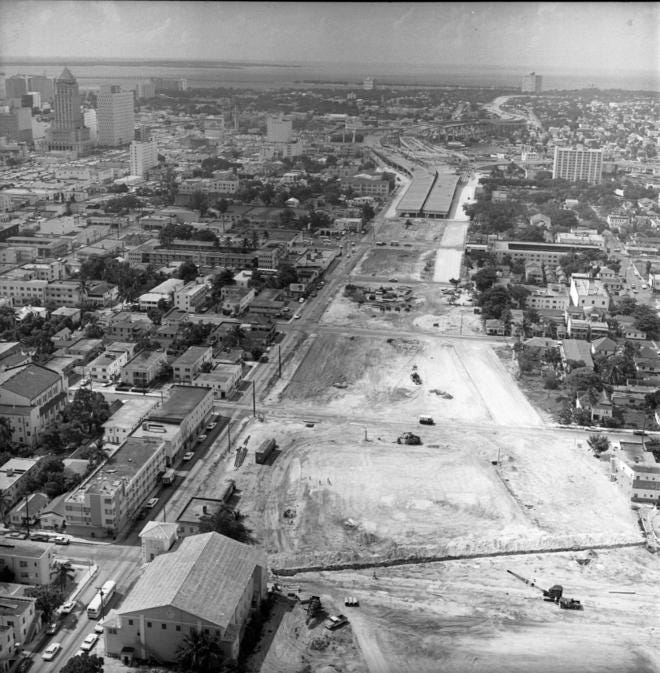
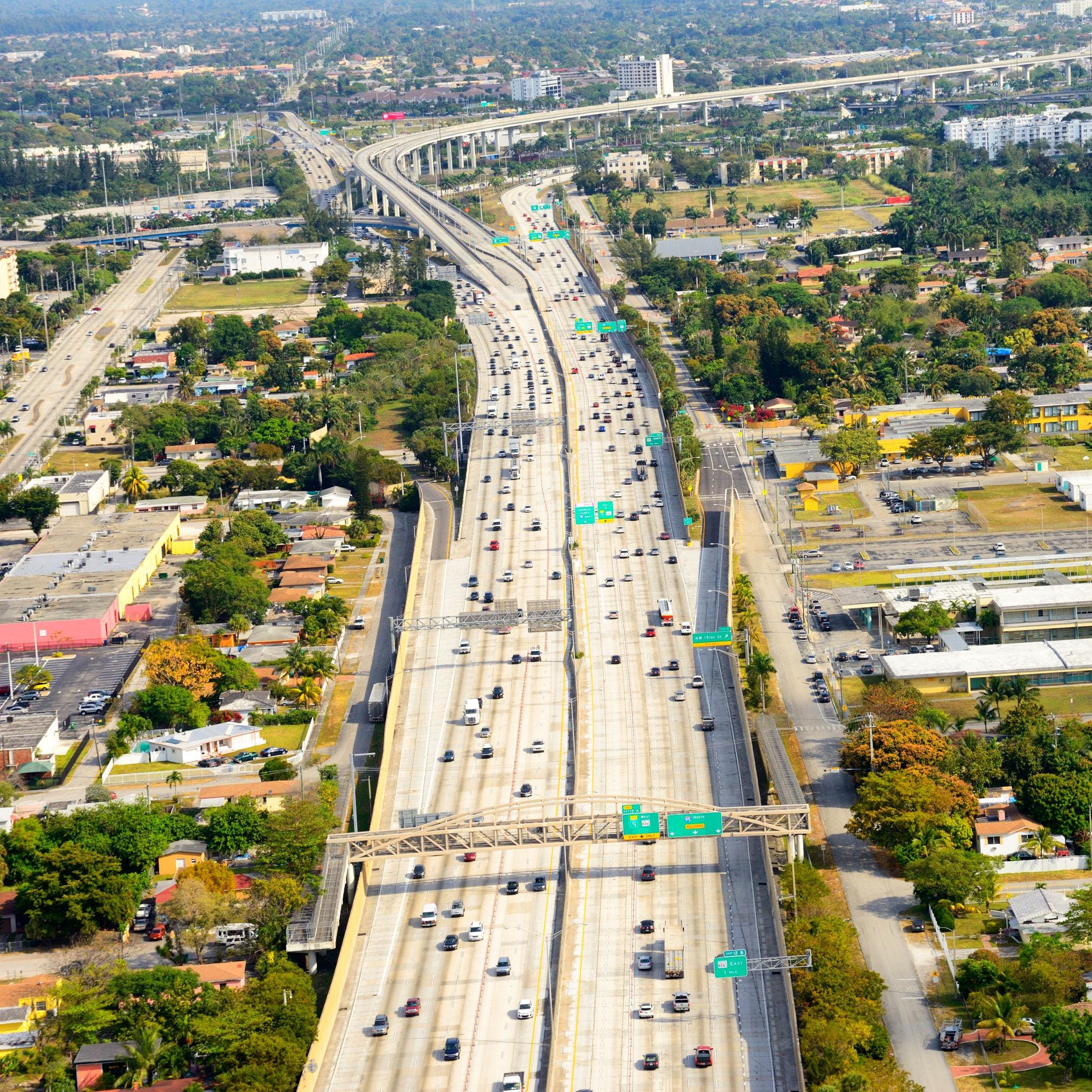
When I-95 came through Miami, it didn’t bend around Overtown.
It went straight through it.
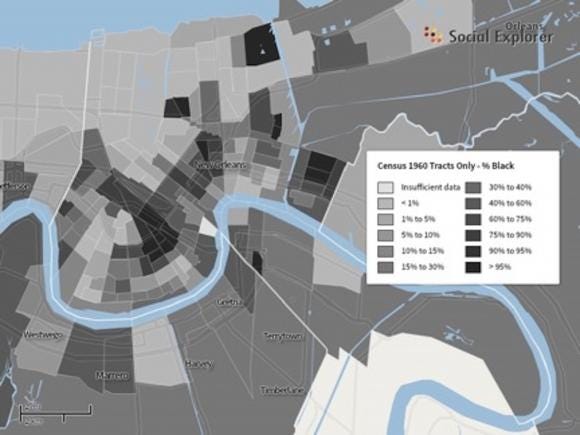
Homes were taken. Businesses erased. Streets severed mid-sentence. What had been a tight-knit economic and cultural engine was split, displaced, and scattered.
This wasn’t unique to Miami. It was a pattern across the country. But Overtown makes it visible in a way that’s hard to ignore because the before-and-after is so stark.
And here’s the key point:
The community didn’t disappear. It was redistributed.
Into:
Liberty City
Brownsville
Carol City
Pockets stretching south, west, and outward into the wider geography of Miami
What had once been a circle became fragments.
What had been dense became stretched.
III. The “Snake” Isn’t Political—It’s Physical
Years later, when mapmakers sat down to draw congressional districts, they weren’t starting with a blank canvas.
They were handed a reality shaped by:
Highway construction
Urban renewal displacement
Redlining boundaries
Economic exclusion zones
So when a district winds through a city—connecting separated Black populations—it often looks unnatural on paper.
But here’s the inversion:
The map looks strange because the community was made strange first.
The so-called “snake” is often an attempt—imperfect, controversial, but real—to reconnect a population that had been physically fragmented by public policy.
Not to create identity.
But to reconstruct it politically.
IV. Enter the Law: Voting Rights Act of 1965
After decades of exclusion, the Voting Rights Act introduced a principle that matters here:
Communities that had been systematically disenfranchised should have a meaningful opportunity to elect representatives of their choice.
But what happens when those communities are no longer geographically compact?
Because they were cut apart?
You get districts that:
Stretch
Curve
Follow population patterns rather than aesthetic symmetry
In other words:
You get maps that reflect damage.
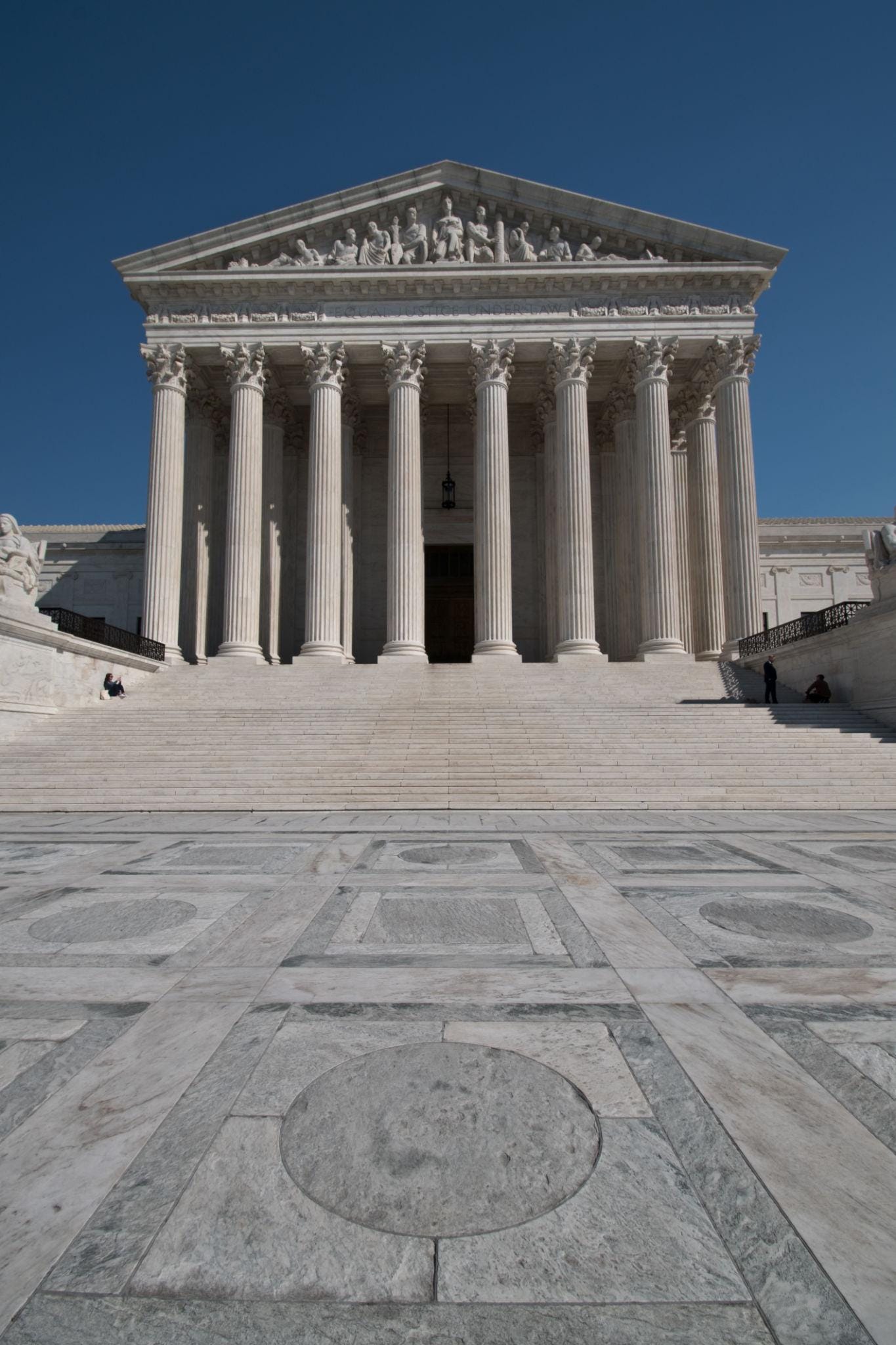
V. The Court Steps In: Allen v. Milligan and Louisiana
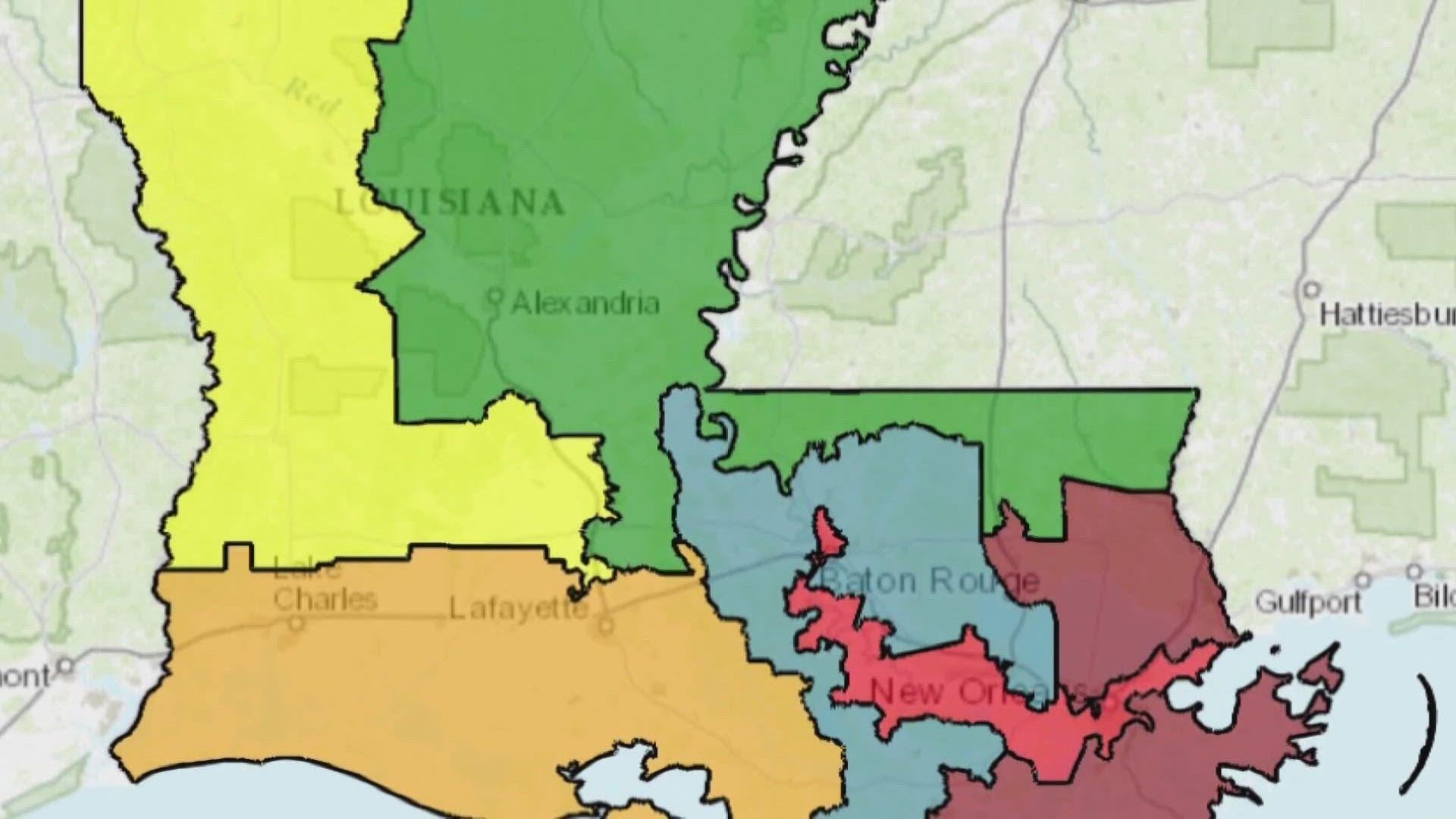
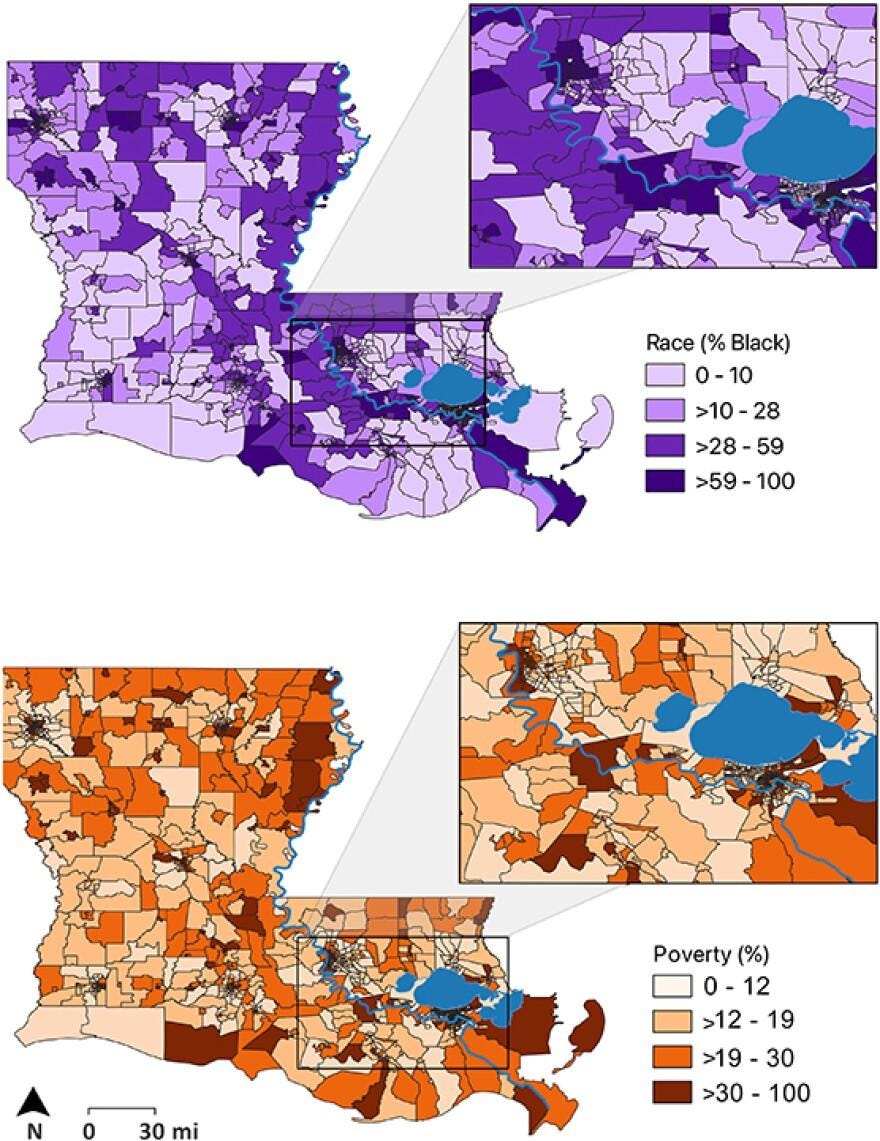
The recent fights over Louisiana’s congressional maps sit right at this fault line.
In cases like Allen v. Milligan, the Court recognized that ignoring racial realities in mapmaking—especially in regions where Black populations are large but dispersed—can dilute representation.
But the countercurrent is growing stronger:
A push toward “race-neutral” mapmaking.
A preference for compactness.
A suspicion of anything that looks engineered—even when it’s responding to past engineering.
So when Louisiana draws a district that follows the Mississippi River, connecting Black communities along that corridor, critics see a snake.
But step back:
Those communities are already aligned along economic and historical lines
Their dispersion is not accidental
Their political cohesion requires geographic flexibility
The question becomes unavoidable:
Are we correcting distortion—or erasing the attempt to correct it?
VI. Overtown as the Blueprint
Overtown shows us the origin story.
If I-95 had never cut through that neighborhood, if displacement hadn’t scattered its population, the need for oddly shaped districts might look very different today.
You might have had:
A compact, majority-Black district rooted in one place
A clear, community-based representation model
Instead, what we have is the afterimage of disruption.
A political map trying to stitch together what infrastructure tore apart.
VII. The Offramp Question
There’s a deeper tension here that goes beyond law and into philosophy:
We often treat fairness as something that should look fair.
Clean lines. Symmetry. Order.
But history doesn’t move in straight lines.
It cuts. It displaces. It leaves residue.
So when the Supreme Court and lawmakers move toward eliminating these “irregular” districts, the underlying assumption is that neutrality restores fairness.
But neutrality applied to an already distorted landscape can produce a different kind of imbalance:
One that looks clean on paper
while quietly ignoring how the terrain was shaped.
VIII. Political Courage vs. Political Convenience
It’s politically convenient to say:
“These maps look wrong. Let’s fix the shapes.”
It’s politically courageous to ask:
“Why do they look like this in the first place?”
Because answering that question doesn’t just touch elections.
It touches:
Infrastructure decisions
Economic policy
Historical accountability
And the uncomfortable reality that systems designed decades ago are still writing today’s outcomes
IX. Final Reflection
The snake didn’t start on the map.
It started when a highway cut through a neighborhood like Overtown and turned a community into a trail of fragments across a city.
Today’s congressional districts are not the origin of that story.
They are the echo.