


In the heart of Los Angeles, where stories come to life on screens big and small, a different kind of story is unfolding—one of financial distress and contentious spending by the Writers Guild of America (WGA). As striking writers grapple with mounting bills and uncertain futures, recent financial disclosures by their representative union paint a starkly different picture.
According to the WGA labor union's most recent filings with the Department of Labor, while many of its members are weathering economic hardship, the union is concurrently incurring significant expenditures on luxury amenities, consulting payments, and branding efforts. This narrative, of austerity for some and opulence for others, poses questions about the union's fiscal priorities in a challenging time.
The Strikers' Plight
The financial distress facing many of the WGA's members is palpable. The union, in response to growing desperation, has set up a fund with over $20 million to address hardship requests from striking writers. These writers, many of whom have been integral to the success of popular television series and films, are now finding themselves in the unenviable position of seeking financial assistance. Initial relief comes in the form of a $7,000 loan, with the possibility of a follow-up loan of an identical amount. As per the latest union filing, requests topped $400,000 in the early part of this year. In parallel, an external fund has been established, providing additional financial support to writers struggling during these tense contract negotiations.
Unraveling the WGA's Spending
The LM-2—a comprehensive report submitted yearly to the Department of Labor—serves as a financial window into the operations of unions across the country. Comparable to a non-profit's 990 form, this report has historically been a tool for transparency and accountability. The WGA's LM-2, however, has garnered attention not for its punctuality but for its revelations.
The report's delay in submission is the first red flag. This isn't an isolated incident but part of a recurrent pattern for the WGA. What is more concerning, however, are the specifics of the union's spending.
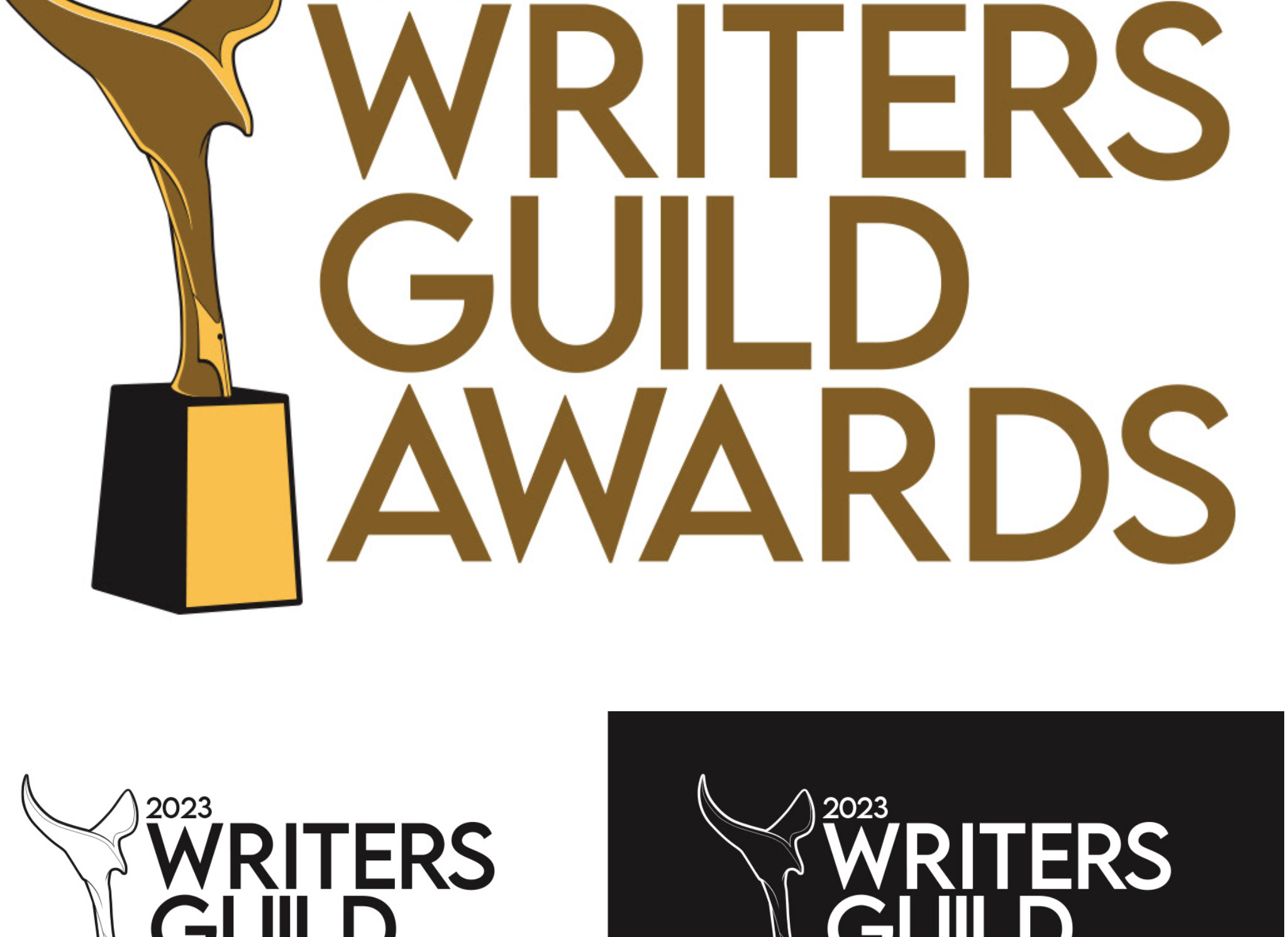
The WGA, while advocating for its writers, has spent $13,377 on rebranding a logo—a design that was revamped just two years ago. But the aesthetics of branding pale in comparison to the more tangible luxuries: $19,148 at a high-end restaurant where dishes seem more suited for a space odyssey than a writers' meeting; posh hotel accommodations that cater to the Hollywood elite; and even a notable $97,591 dedicated solely to interior painting.
Consulting fees further muddy the waters. A flat $20,000 fee to a former board member raises questions about potential conflicts of interest and the value derived from such engagements.
